Many business owners believe that once a website is created, the job is done. In reality, an outdated website design can silently push potential customers away every single day. Visitors may never complain, but they will leave, choose a competitor and forget your brand. The biggest loss is not visibility alone, it is lost trust, lost enquiries and lost revenue.
An outdated website is not just a visual issue. It affects how customers perceive your business, how search engines rank your pages and how confidently users take action. Understanding how much business you are losing is the first step toward fixing the problem.
1. First Impressions Decide Everything
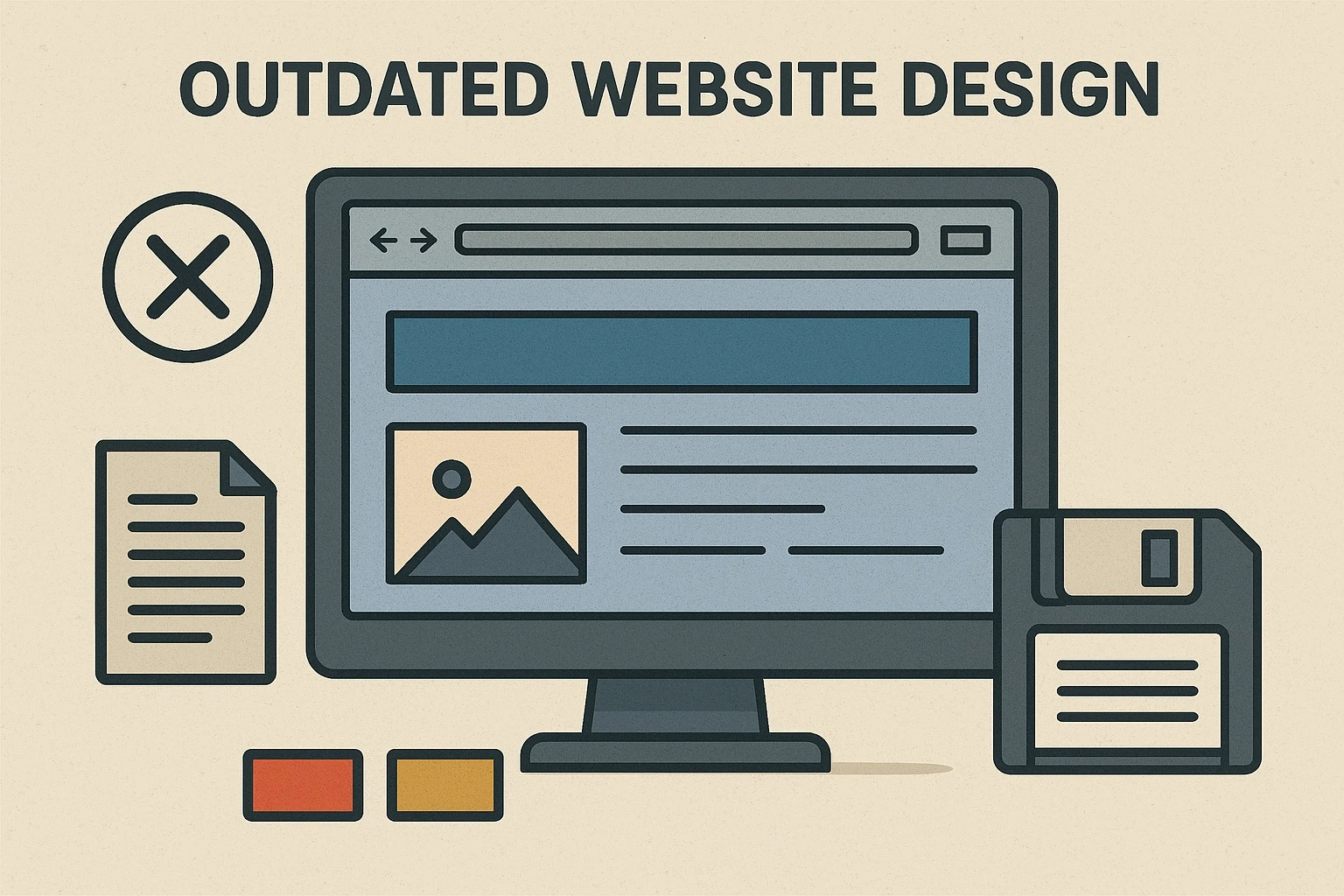
When someone visits your website, they form an opinion within a few seconds. If the design looks old, cluttered or confusing, users instantly question your credibility. They assume the business may also be outdated, unreliable or inactive.
Modern users expect clean layouts, easy navigation and mobile friendly design. If your website looks like it belongs to a previous decade, visitors will not stay long enough to understand your services. This directly increases bounce rate and reduces conversions.
A professional and modern website design communicates trust without saying a word. It reassures visitors that your business is active, serious and customer focused.
2. Outdated Design Reduces Leads and Enquiries
Your website’s main purpose is to convert visitors into leads. An outdated design makes this difficult in several ways. Call to action buttons may not be clear. Contact forms may be hard to find. Pages may load slowly or break on mobile devices.
When users struggle to take action, they simply leave. Even if you offer excellent services, poor design blocks users from reaching you. This results in fewer phone calls, fewer form submissions and fewer sales opportunities.
Many businesses underestimate how many potential customers they lose simply because the website experience feels inconvenient or confusing.
3. Mobile Users Are the Biggest Victims
Most website traffic today comes from mobile devices. If your website is not mobile friendly, you are automatically losing a large portion of potential customers.
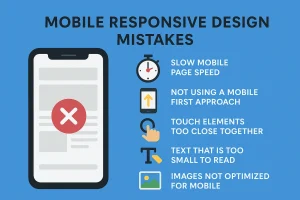
Outdated websites often have text that is too small, buttons that are hard to tap and layouts that break on smaller screens. Mobile users are impatient. If your site does not load fast or display properly, they will exit immediately.
Google also prioritizes mobile friendly websites. A poor mobile experience directly impacts your search visibility, which further reduces traffic and leads.
4. Google Rankings Suffer with Old Website Design
Website design and SEO are deeply connected. Search engines favor websites that provide a good user experience. An outdated website usually fails on multiple SEO factors such as page speed, mobile usability and structure.
Slow loading pages frustrate users and increase bounce rate. Poor navigation makes it harder for search engines to crawl your site. Old design frameworks may not support modern SEO best practices.
As a result, your website slowly loses rankings. Lower rankings mean less visibility. Less visibility means fewer clicks. This chain reaction leads to a steady decline in business enquiries.
5. Trust and Brand Image Take a Hit
Your website represents your brand even when you are not actively marketing. An outdated design sends the wrong message. Customers may wonder if your business is still operating or keeping up with industry standards.
Trust is especially important for service based businesses. Users want reassurance before contacting a company. A modern website with clear messaging, testimonials and professional visuals builds confidence.
An outdated website creates hesitation. That hesitation often leads visitors to choose competitors with a better online presence.
6. How to Know If Your Website Is Costing You Business
Some common signs indicate your website may be hurting your growth. If visitors leave quickly without interacting, if enquiries have declined despite steady traffic, or if customers mention difficulty using your website, these are strong warning signals.
Another sign is when your competitors have cleaner, faster and more engaging websites. Customers naturally gravitate toward brands that feel modern and easy to trust.
7. How a Website Redesign Recovers Lost Business
A modern website redesign focuses on user experience, clarity and performance. It simplifies navigation, improves loading speed and highlights clear calls to action.
With a refreshed design, visitors stay longer, understand your services better and feel confident contacting you. Mobile users enjoy a smooth experience, and search engines reward your site with better visibility. Businesses that invest in modern website design often see improved engagement, higher enquiry rates and better overall brand perception.
8. Investing in Design Is Investing in Growth
A website is not an expense, it is a business asset. When designed correctly, it works as a 24 hour salesperson. When outdated, it becomes a silent barrier between you and your customers.
Upgrading your website design is not about trends or looks alone. It is about performance, trust and long term growth. The cost of redesign is often far less than the business you lose by keeping an outdated website.
9. Final Thought
An outdated website design does more harm than most businesses realize. It quietly drives potential customers away, weakens trust and limits your growth in a competitive digital space. Your website should work as a powerful business tool, not a silent obstacle. By investing in a modern, user focused design, you create better experiences, stronger credibility and more opportunities to convert visitors into customers. At Pointer Soft Technologies, we believe a well designed website is not just about looks, it is about performance, clarity and measurable business growth.
10. Frequently Asked Questions
a). How often should a business update its website design
Most businesses should review their website design every three to four years. Regular updates ensure compatibility with new devices, user expectations and search engine requirements.
b). Does outdated website design really affect sales
Yes. An outdated design reduces trust, lowers conversions and discourages users from taking action. Even small design improvements can lead to noticeable increases in leads and enquiries.
c). Can redesigning a website improve Google rankings
A redesign that focuses on speed, mobile friendliness and user experience can significantly improve SEO performance and search visibility.
d). Is a website redesign expensive for small businesses
Website redesign costs vary, but many small businesses recover the investment quickly through improved lead generation and customer engagement.
e). What should be the priority in a website redesign
User experience, mobile responsiveness, page speed and clear messaging should always be the top priorities.