Customers no longer interact with a brand through a single channel. They move between Google search, social media, email, ads, mobile devices, and websites before making a decision. In this connected journey, your website plays the most critical role. A well designed website does not work in isolation. It supports omnichannel marketing and directly improves conversions.
Omnichannel marketing focuses on delivering a consistent and seamless experience across every customer touchpoint. Website design acts as the central hub that connects all these channels into one unified experience. This blog explains how website design supports omni channel marketing and how it helps businesses convert more visitors into leads and customers.
What Is Omnichannel Marketing
Omnichannel marketing means creating a unified customer experience across all platforms such as website, mobile, social media, email, search engines, and even offline channels.
A customer might discover your brand on Instagram, visit your website from Google, receive an email offer, and finally convert through a mobile device. Omnichannel marketing ensures that the experience feels consistent at every step. Your website becomes the foundation where all these channels meet.
How Customers Experience Omnichannel Marketing
A typical customer journey today is rarely linear. For example, a potential buyer may:
- Discover your brand on social media through an Instagram post or ad.
- Search for more information on Google and land on your website.
- Receive an email promotion related to the products or services they explored.
- Return to your website on a mobile device and finally make a purchase or submit a form.
In each step, the customer interacts with your brand across multiple channels. Omnichannel marketing ensures that the message, visuals, and overall experience remain consistent, so the user feels confident and familiar with your brand throughout the journey.
Why Website Design Is Central to Omnichannel Marketing
Your website connects every marketing channel. All traffic from ads, SEO, email campaigns, social media, and referrals eventually lands on your website. If the design feels inconsistent, slow, or confusing, the omnichannel experience breaks.
A strong website design ensures that the experience across channels is consistent, intuitive, and conversion-focused. Visitors expect a seamless journey when they move from an ad, email, or social post to your website. If the website is confusing, slow, or inconsistent with other channels, the omnichannel experience breaks, and potential customers may leave without taking action.
How Website Design Supports Omnichannel Marketing
Consistent Brand Experience Across Channels
A well designed website maintains consistent colors, typography, layouts, and messaging that match your social media, ads, and email campaigns. This consistency builds trust and improves brand recall. When users recognize your brand instantly across platforms, they feel confident to take action.
Seamless Mobile and Desktop Experience
Customers switch devices frequently. A responsive website design ensures that users get the same experience on mobile, tablet, and desktop. Mobile friendly layouts support omnichannel journeys that start on social media and end on a website conversion.
Unified User Journey
Website design helps guide users smoothly from landing pages to service pages, product pages, and conversion points. Clear navigation and structured layouts prevent confusion and reduce drop offs. Every channel sends users to the right page with the right intent.
Faster Website Performance
Speed plays a major role in omnichannel success. Ads, email links, and social traffic expect fast loading pages. A performance optimized website design improves user satisfaction and conversion rates.
Conversion Focused Design Elements
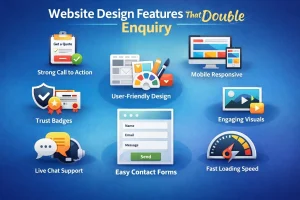
Call to action buttons, forms, chat widgets, and trust elements help convert omnichannel traffic. Website design aligns these elements with user intent coming from different channels.
Table Showing Website Design Impact on Omnichannel Marketing
| Website Design Element | Omnichannel Benefit | Conversion Impact |
| Responsive design | Consistent experience across devices | Higher mobile conversions |
| Brand consistency | Strong brand recognition | Increased trust |
| Fast loading pages | Better user experience from ads and email | Lower bounce rate |
| Clear navigation | Smooth user journey | Higher engagement |
| Optimized CTAs | Clear next steps for users | Improved lead generation |
Case Study: How Website Design Improved Omnichannel Performance
Business Background
A mid sized service based company actively invested in digital marketing channels including Google Ads, Instagram campaigns, and email marketing. The brand successfully generated consistent traffic across platforms, but conversions did not match expectations. Despite strong visibility, the website failed to turn visitors into leads.
Problem Identified
A detailed website design audit revealed multiple issues that disrupted the omnichannel experience.
The website did not provide a consistent experience for users arriving from different channels. Mobile users faced usability problems, branding lacked alignment with marketing campaigns, and landing pages failed to clearly guide users toward action.
These gaps caused confusion, increased bounce rates, and reduced trust.
Design and Strategy Improvements
The company implemented a conversion focused omnichannel website redesign. The goal was to create a seamless and unified experience across all marketing touchpoints.
Key improvements included aligning website visuals with ad creatives, optimizing layouts for mobile users, improving page load speed, and simplifying navigation to support faster decision making.
Results Achieved
Within three months of launching the redesigned website, the company experienced significant performance improvements across all channels. User engagement increased, conversion rates improved, and mobile traffic began generating higher quality leads.
Case Study Summary Table
| Area | Before Website Redesign | After Website Redesign |
| Traffic sources | Google Ads, Instagram, Email | Same channels with better alignment |
| Mobile experience | Poor optimization and usability issues | Fully responsive and mobile friendly |
| Brand consistency | Website design mismatched ads | Unified colors, fonts, and messaging |
| Landing pages | Confusing layouts and unclear CTAs | Clear structure and strong CTAs |
| Page speed | Slow load times | Optimized fast loading pages |
| Conversion rate | Low despite high traffic | Increased by 38 percent |
| Mobile leads | Low engagement | Increased by 45 percent |
| Bounce rate | High bounce rate | Significantly reduced |
| User feedback | Inconsistent experience | Smooth experience across platforms |
Key Takeaway
This case study clearly shows that omnichannel marketing cannot succeed without a well designed website. When the website experience aligns with marketing channels, users trust the brand, engage longer, and convert faster. Website design acts as the bridge between traffic and conversions, making it a critical component of any omnichannel marketing strategy.
How Website Design Improves Conversions in Omnichannel Strategy
Website design plays a critical role in shaping how visitors interact with your brand. When users experience consistency, clarity, and ease of use, they navigate the site more confidently and convert faster.
A well designed website supports conversions by reducing friction, building trust, and guiding visitors toward the desired actions. This effect is especially strong in an omnichannel marketing strategy, where landing pages must align with user expectations from ads, emails, and social media campaigns.
By focusing on conversion driven design, every visitor clearly understands the next step, whether it is filling out a form, making a purchase, or contacting your business. A website that guides users effectively transforms traffic into measurable results.
Best Practices for Omnichannel Friendly Website Design
Use Consistent Branding Across All Pages
Consistent branding helps users recognize and trust your business. When colors, fonts, visuals, and messaging remain the same across all pages, visitors feel confident and familiar with your brand. This consistency strengthens brand recall across all marketing channels.
Design Mobile First Layouts
Most users visit websites from mobile devices. Mobile first design ensures that the website delivers a smooth experience on smaller screens before scaling to larger devices. This approach improves usability and supports omnichannel journeys that begin on mobile platforms.
Optimize Page Speed and Performance
Fast loading websites keep users engaged. Slow pages increase bounce rates and reduce conversions. Optimized performance ensures that users coming from ads, email campaigns, or social media get instant access to content without frustration.
Create Clear Call to Action Buttons
Call to action buttons guide users toward the next step. Clear and visible CTAs reduce confusion and encourage actions such as contacting, signing up, or purchasing. Well designed CTAs improve conversion rates across all traffic sources.
Use Simple Navigation Structures
Simple navigation helps users find information quickly. A clear menu structure reduces cognitive load and keeps users focused on their goals. Easy navigation improves engagement and prevents users from leaving the website prematurely.
Align Landing Pages With Campaign Messaging
Landing pages should match the message users see in ads or emails. When the messaging stays consistent, users feel reassured that they are in the right place. This alignment improves trust and increases the likelihood of conversions.
Track User Behavior Across Channels
Tracking user behavior helps businesses understand how visitors move across platforms. Insights from analytics allow continuous improvement of website design and marketing strategies. Better data leads to smarter decisions and higher conversions.
Frequently Asked Questions
What is omnichannel marketing in simple terms
Omnichannel marketing means providing a connected and consistent experience to customers across all platforms such as website, social media, email, and mobile.
Why is website design important for omnichannel marketing
Website design acts as the central hub where all marketing channels connect. It ensures consistency, usability, and conversion optimization.
Can website design really improve conversions
Yes. Conversion focused website design improves trust, reduces confusion, and guides users toward actions which increases leads and sales.
Is responsive design necessary for omnichannel marketing
Responsive design is essential because users switch devices frequently. A responsive website ensures smooth experience across all devices.
How does website speed affect omnichannel performance
Slow websites break the user journey and increase bounce rates. Fast loading pages improve engagement and conversions from all channels.
Final Thoughts
Omnichannel marketing cannot succeed without a strong website design. Your website connects every channel, shapes user experience, and determines conversion success. A well designed website supports consistent branding, smooth journeys, and higher conversions across all platforms. Businesses that invest in omnichannel ready website design gain a competitive advantage and build long term growth.
Companies like, Pointer Soft Technologies specializes in creating websites that integrate seamlessly with all marketing channels. Their design approach ensures consistent branding, fast performance, and conversion-focused layouts, helping businesses turn traffic into real results. With expert guidance, your website becomes a central hub for a successful omnichannel strategy.