Choosing between a static and a dynamic website is one of the most important decisions a business owner will ever make, because it influences everything from website speed and security to performance, SEO visibility and conversions. The right choice can help you attract customers effortlessly, while the wrong decision can limit growth and make your website harder to manage.
The good news is that understanding the difference between a static and dynamic website is simple. Once you know how each one works and which structure matches your business needs, you can save money, deliver a better user experience and build a website that actually brings in leads. If you are planning a new website or considering an upgrade, this guide will help you choose confidently without confusion.
1. What Is a Static Website?
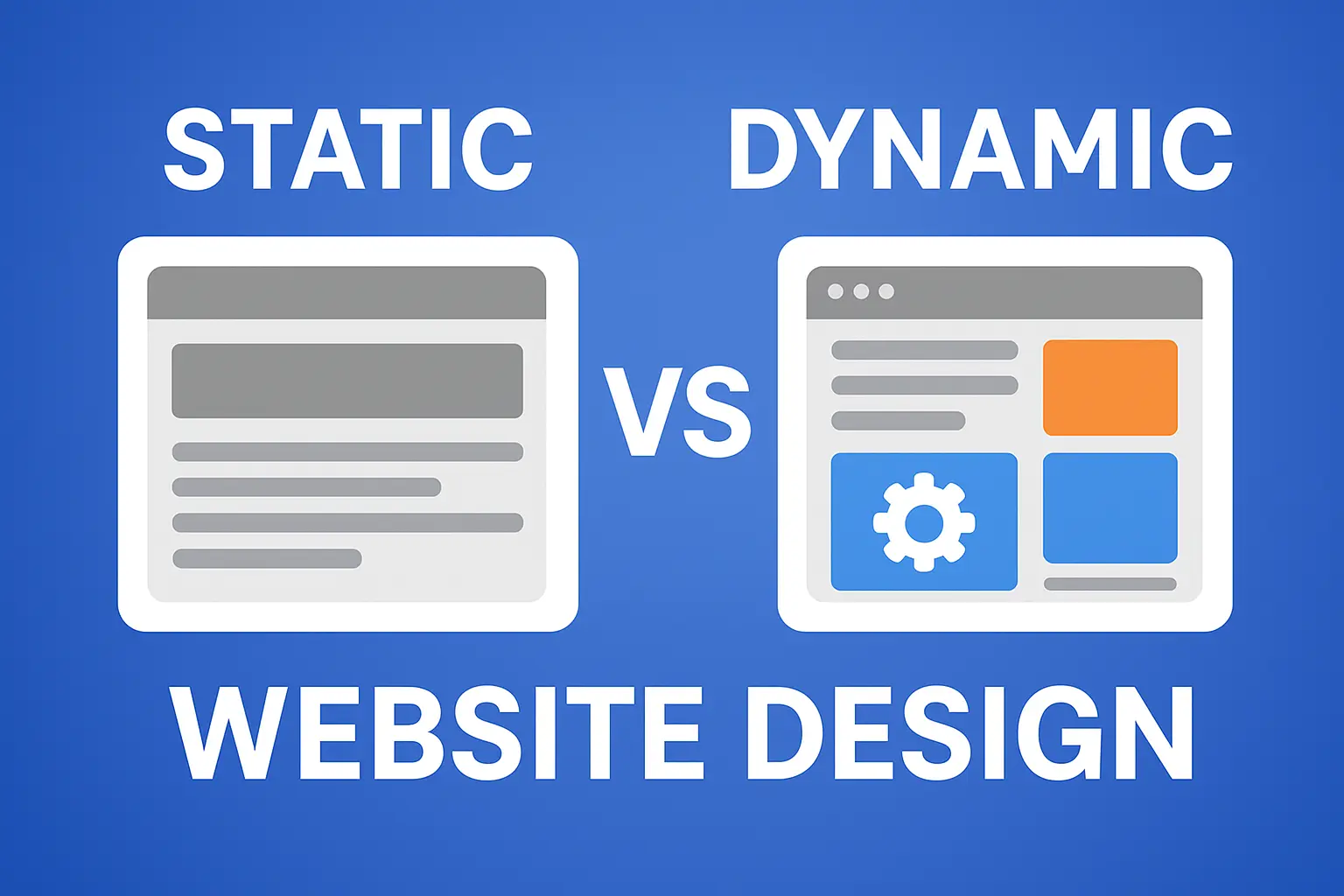
A static website is built with fixed HTML, CSS and JavaScript files. Every visitor sees the same content unless a developer manually updates it. Because these websites do not rely on database communication, they load extremely fast and remain incredibly stable.
Static websites are commonly used for small business pages, portfolios, landing pages, product showcases and simple informational websites. They work best for businesses that do not need regular content updates and prefer a fast, lightweight and low-maintenance solution.
2. What Is a Dynamic Website?
A dynamic website generates content through databases and programming logic. It can change based on user actions, admin updates or automated systems. Most dynamic websites are built using platforms like WordPress, Shopify or custom technologies such as PHP, Python or Node.
This type of website is ideal for e-commerce stores, blogs, portals, social platforms, booking systems, membership websites and any business that needs frequent content updates. The biggest advantage is that owners can manage their entire website from a dashboard without technical skills.
3. Key Differences Between Static and Dynamic Websites
The differences between static and dynamic websites affect how a business operates online.
A static website loads almost instantly because pages are prebuilt, while a dynamic website may take slightly longer since it pulls information from a database. Static websites are naturally more secure because they do not rely on backend scripts, whereas dynamic websites require regular maintenance to stay protected.
Cost also varies. Static websites are more affordable to build and host, while dynamic websites require additional investment in plugins, tools and stronger hosting. When it comes to scalability, static websites can be served quickly through CDNs, but dynamic websites often need server optimizations as content and features grow.
Updating content is another major difference. Static websites need developer support for bigger changes, while dynamic websites offer simple, user-friendly dashboards where anyone can update text, images, blogs or pages instantly.
4. Advantages of Static Websites
Static websites are known for their exceptional speed. Because they do not fetch data from a database, pages load instantly, improving both SEO ranking and user experience. They are also more secure because they do not include backend scripts that hackers can target.
Cost efficiency is another major benefit. Static websites are affordable to build, easy to host and require minimal maintenance, which makes them ideal for small businesses, startups or anyone who wants a clean online presence without complex features.
Another advantage is that a static website remains extremely stable. It can be hosted on virtually any server, including very budget-friendly options, making it a strong choice for businesses that want simplicity and reliability.
5. Advantages of Dynamic Websites
The strongest benefit of a dynamic website is easy content management. With a CMS such as WordPress, you can update pages, upload images, change pricing, publish blogs or modify services without needing a developer.
Dynamic websites also support customized user experiences. Features like login systems, product filters, appointment booking, online payments, enquiry forms, dashboards and personalised content help improve customer engagement and conversions.
They are perfect for growing businesses because they support ongoing expansion. As your business evolves, you can add unlimited pages, new service categories, marketing tools, automation features and integrations such as CRM systems, chatbots and payment gateways.
Dynamic websites are also powerful for SEO because they support structured blogs, metadata optimization, content scheduling and plugins that help boost search visibility.
6 .Static vs Dynamic Website: Which Should You Choose?
Your final decision depends entirely on your business model and long-term goals.
A static website is the better choice if your business is small or newly established, if you want a fast and secure site, if you do not update content frequently or if you prefer a low-cost and low-maintenance solution. Static websites are excellent for service pages with limited updates.
A dynamic website is ideal if your content changes often, if you publish blogs, run an e-commerce store, offer bookings, need user logins or require advanced features. It is also the right fit if you want complete control through a content management system and plan to scale your website over time.
Both options are effective in their own way. A static website stands out for unparalleled speed and security, while a dynamic website delivers flexibility, scalability and powerful user engagement.
7. Final Thoughts
Static and dynamic websites serve different purposes, and understanding their strengths helps business owners make informed decisions. If your business only requires a simple and fast online presence, a static website is perfect. But if you want flexibility, frequent updates, or advanced functionality, a dynamic website will give you more control.
Choosing between a static and dynamic website comes down to understanding your business goals, budget, and long-term digital strategy. Static websites offer unmatched speed, security, and affordability — ideal for small businesses that need a clean online presence. Dynamic websites, on the other hand, provide flexibility, user interaction, and powerful integrations that support growing brands and e-commerce platforms.
If you’re still unsure which option is best for your business, opting for expert guidance can save time, money, and future redesign costs.
At PointerSoft, we help businesses pick the perfect website structure and build high-performance sites that drive leads, conversions, and growth.